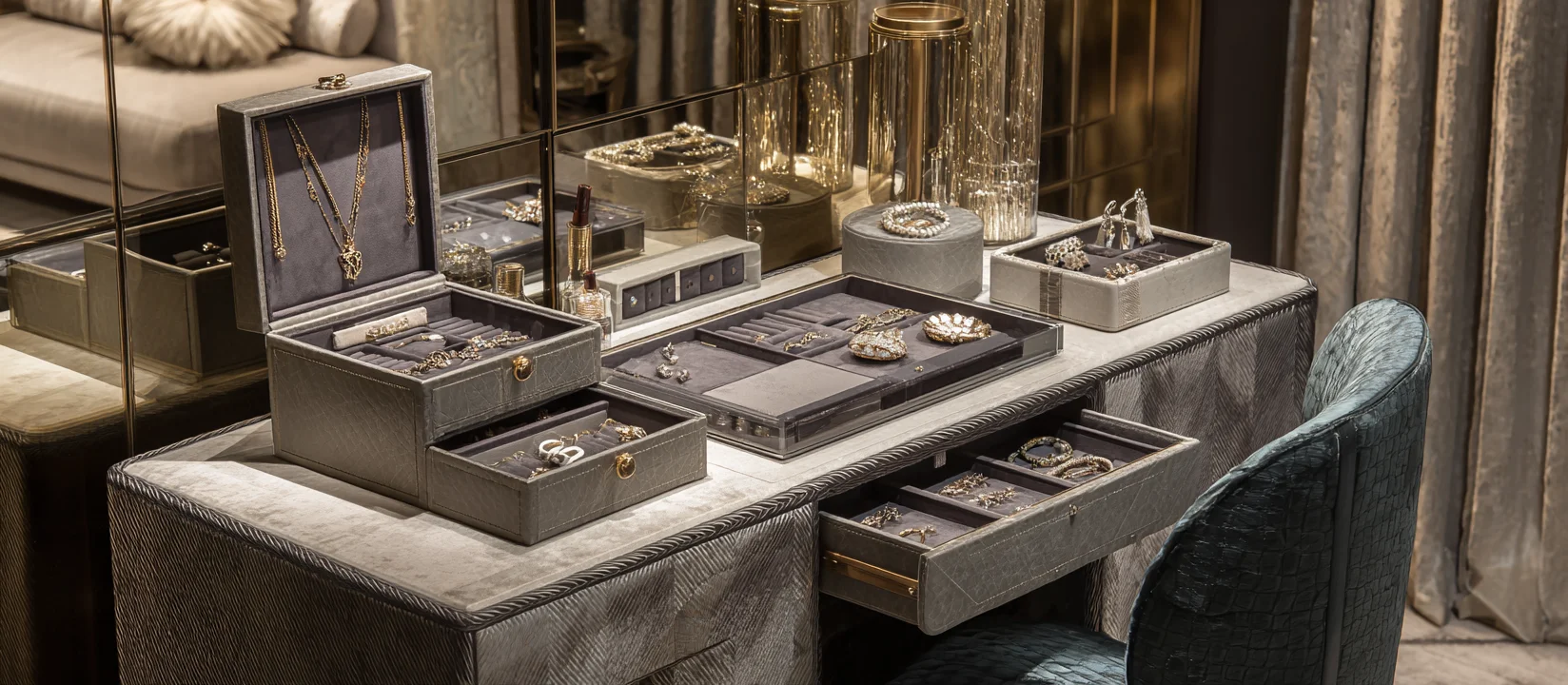
Jewelry Box Color Preferences Across Cultures How to Design for Global Markets
In the global B2B trade of jewelry boxes, understanding the cultural customs, taboos, and color preferences of your target markets is critical for both product design and marketing. The color of a jewelry box is more than just an aesthetic choice—it plays a significant role in reflecting emotions, cultural values, and traditions. Below is an analysis of color preferences in key regions around the world, with a focus on customs and taboos that impact consumer behavior.

1. North America and Europe
United States
Cultural Insights: American consumers highly value personal freedom, individuality, and practicality. Bright, bold colors often resonate well, but black can sometimes be associated with mourning or negativity, so its use in jewelry boxes should be cautious.
Popular Colors: Gold, silver, white, and blue are widely favored. Gold and silver evoke luxury and status, perfectly complementing high-end jewelry. White symbolizes purity and elegance, while blue conveys trust and stability, making it a strong choice for a professional and premium feel.
Europe
Cultural Insights: Europe is a diverse region with varied traditions, but most European consumers appreciate classic and refined aesthetics. Certain colors may carry specific cultural connotations, such as green in Italy, which can symbolize jealousy.
Popular Colors: Warm tones like brown, red, and gold are favored in Southern Europe (e.g., Italy, France), reflecting warmth and tradition. Meanwhile, cooler and neutral shades like white, gray, and light blue are popular in Northern Europe, in line with minimalist and modern design preferences.

2. Asia
China
Cultural Insights: In Chinese culture, red and gold are seen as symbols of good fortune, prosperity, and wealth. However, black and white are traditionally linked to mourning and should be used sparingly.
Popular Colors: Jewelry boxes with red or gold accents are popular as they align with traditional Chinese beliefs about success and happiness. Additionally, designs featuring auspicious symbols like dragons and phoenixes are often highly valued.
Japan
Cultural Insights: Japanese culture emphasizes simplicity and harmony. Neutral, soft colors like white, pink, and light blue are often preferred, reflecting a calm and peaceful aesthetic. Although black can be seen as formal and elegant, it is sometimes avoided in more celebratory contexts.
Popular Colors: Minimalist designs with soft, muted tones are a staple in Japan. Jewelry boxes that combine elegance with subtlety, avoiding overly intricate decorations, align with Japanese consumers’ appreciation for simplicity.
India
Cultural Insights: India is known for its vibrant and rich color palette, though interpretations of certain colors can vary by region and religion. Yellow, for instance, is a sacred color in Hinduism but can have different meanings across the country.
Popular Colors: Bold colors such as gold, red, and orange are well-received, aligning with the vibrant nature of Indian festivities and traditions. Jewelry boxes with intricate patterns and bright hues tend to appeal to Indian buyers.

3. Middle East
Cultural Insights: The Middle East is steeped in tradition, with a deep respect for religious and cultural values. Colors can carry significant religious meaning, so it’s important to avoid those with negative connotations, like black in some contexts within Islamic traditions.
Popular Colors: Middle Eastern consumers often favor luxurious tones like gold, silver, and deep blue. These colors evoke opulence, prestige, and wealth, aligning with the region’s affinity for luxury goods and status symbols.
4. Africa
Cultural Insights: Africa is home to a myriad of cultures and tribes, each with its own set of preferences when it comes to color. Bright, bold colors are often associated with celebration and joy, though local customs should always be respected.
Popular Colors: Vibrant hues like red, yellow, and orange are widely appreciated across the continent, symbolizing energy, warmth, and vitality. However, understanding local traditions is essential to avoid unintentional cultural missteps.

Conclusion
When designing jewelry boxes for different regions, it is crucial to consider the local cultural customs, taboos, and color preferences. By understanding the cultural significance of colors, businesses can better tailor their products to meet consumer expectations and create a sense of emotional and cultural connection with their target audience. Keeping track of evolving market trends and maintaining a flexible approach will ensure that your designs remain relevant and appealing in a dynamic global market.
Collaborative Journey in Product Development with Clients and Designers
Jewelry Storage Trends Insights on Material Preferences and Marketing Strategies